

Introduction
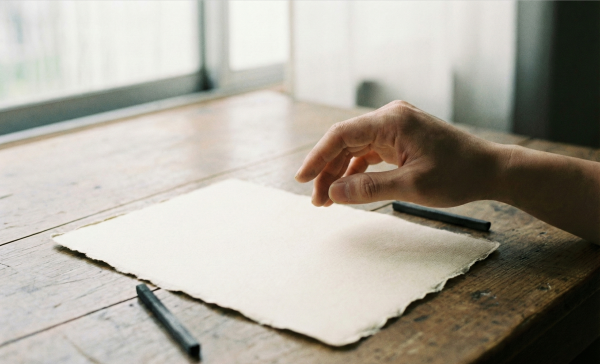
You are an expert in your field. You manage teams, build complex systems, or operate multi-million dollar budgets. But as soon as you find yourself in front of a blank canvas, an empty notebook, or in a dance studio, someone inside awakens and paralyzes your will. Your inner critic, fed by years of achievement and perfectionism, whispers: «This looks stupid. You’re a grown adult doing nonsense. If you can’t do it perfectly, don’t do it at all.»
In 2026, we call this the «professional identity crisis.» We are so accustomed to being competent that the very thought of becoming a «beginner» feels like an existential threat. The fear of looking unprofessional isn't just a whim; it’s a physiological blockage. Your body literally freezes, preparing for fight or flight, even though there’s only a sheet of paper in front of you.
To start creating, we don't need «inspiration»; we need a safe detour around the neocortex, straight into the body. We offer five somatic techniques to help you bypass the mind's censorship and reclaim the joy of primal movement.
1. Rhythmic Breathing and "Blind" Lines
The fear of «ruining the page» stems from an overreliance on visual control. We look and we judge. Try turning off this channel. Take a pencil, close your eyes, and focus on your breath. As you inhale, draw a line upward or outward; as you exhale, draw it downward or in a circle. Do not try to create a form. Your hand is a seismograph of your breath. After 5 minutes, you will notice that the body's rhythm has become more important than the visual result. This exercise switches the brain from «evaluation» mode to «process observation» mode.
2. The Non-Dominant Hand: A Dialogue with the Inner Child
Our ego lives in our dominant hand. It is trained to write straight letters and sign contracts. Try drawing or sculpting with your non-dominant hand. The movements will be clumsy, angular, and… honest. In this clumsiness, pretense disappears. You are no longer «the executive trying to paint»; you are a human exploring the body's possibilities. This removes the weight of expectation: no one expects a masterpiece from the left hand, which means you are free to play.
3. Somatic Scribbling
Sometimes paralysis is caused by an excess of suppressed energy. Before trying to create something «beautiful,» you need to release tension. Take charcoal or a soft pencil and begin to quickly, chaotically scribble over the page, putting all your fatigue, irritation, or fear into the movement. Move from the shoulder, not the wrist. Let the body perform this discharge. When the sheet is black and your hand is tired, you will feel a void—that very fertile silence from which true creativity is born.
4. Micro-Focus Technique: Heat and Texture
If the fear is too great, narrow your field of vision to micro-sensory details. Forget about the painting or the dance as a whole. Focus on how the tip of the brush touches the paper. Feel the resistance of the bristles; hear the scratch of the pencil. In somatics, this is called «grounding through contact.» When all your attention is focused on the tactile sensation in your fingertips, there is simply no room left in your consciousness for the fear of «future failure.» You are present in the moment of contact.
5. Vocal Resonance Before Starting
Our creativity is often blocked in the throat and chest—where we suppress unspoken words. Before you begin working, close your eyes and take a deep breath. As you exhale, make a low, humming sound (a hum). Feel the vibration spread through your chest and arms. This simple exercise calms the vagus nerve and signals the brain: «We are safe. We are allowed to manifest.» The vibration «softens» the body, making it more pliable for the creative impulse.
Conclusion
The goal of these exercises is not to create a masterpiece for auction, but to restore the connection between your impulse and your action. In the world of 2026, the luxury of being yourself begins with the right to be imperfect. Creativity is not a result; it is the process of returning home, into your body.
If you feel ready to take the first step but still need a gentle environment, follow our recommendations.
Your next step: Head to our «Experiences» section and select the «For Beginners» filter. We have curated programs there where sensitivity to your feelings is more important than technical execution. Allow yourself the luxury of simply trying.