


Your first creative trip alone
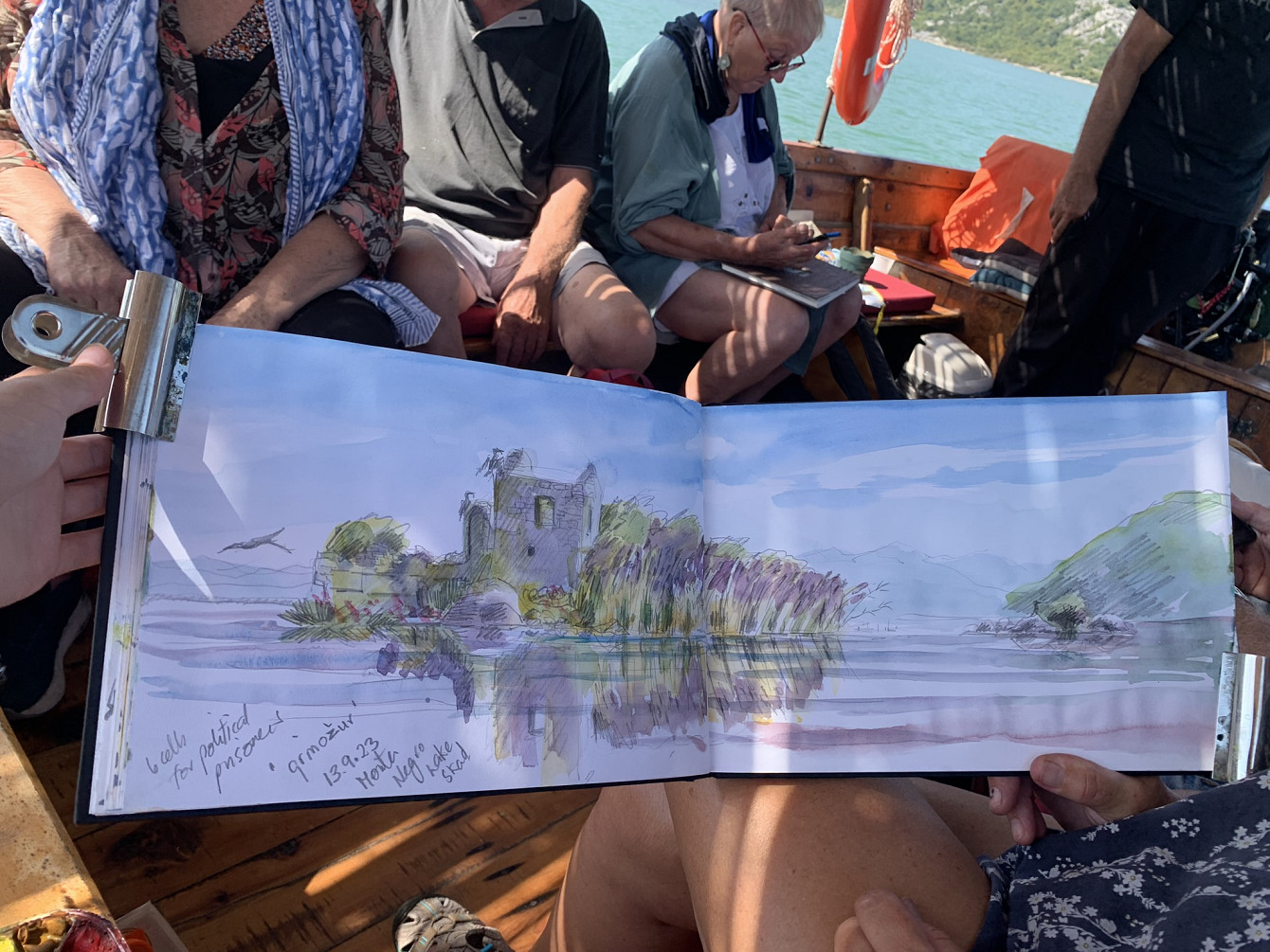
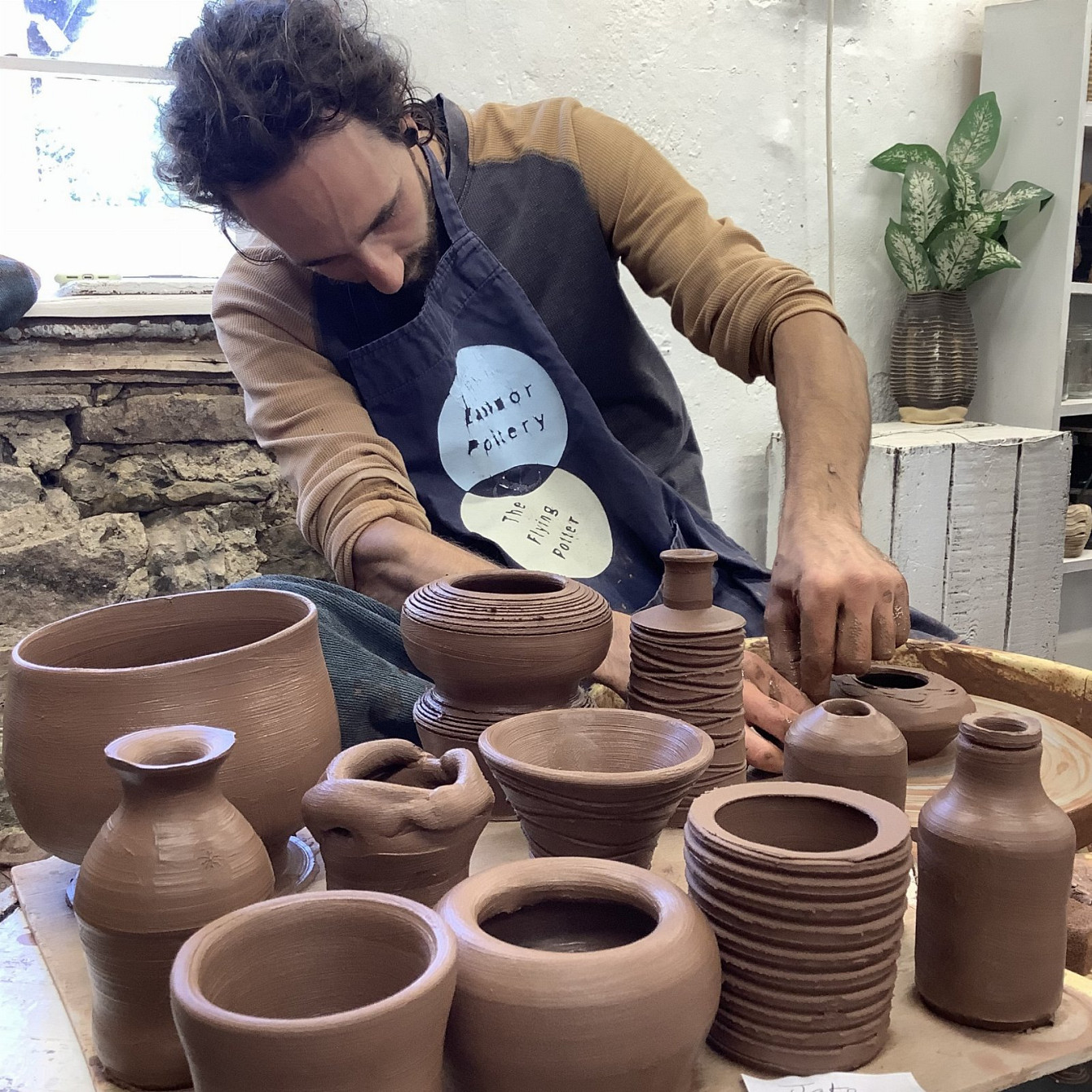
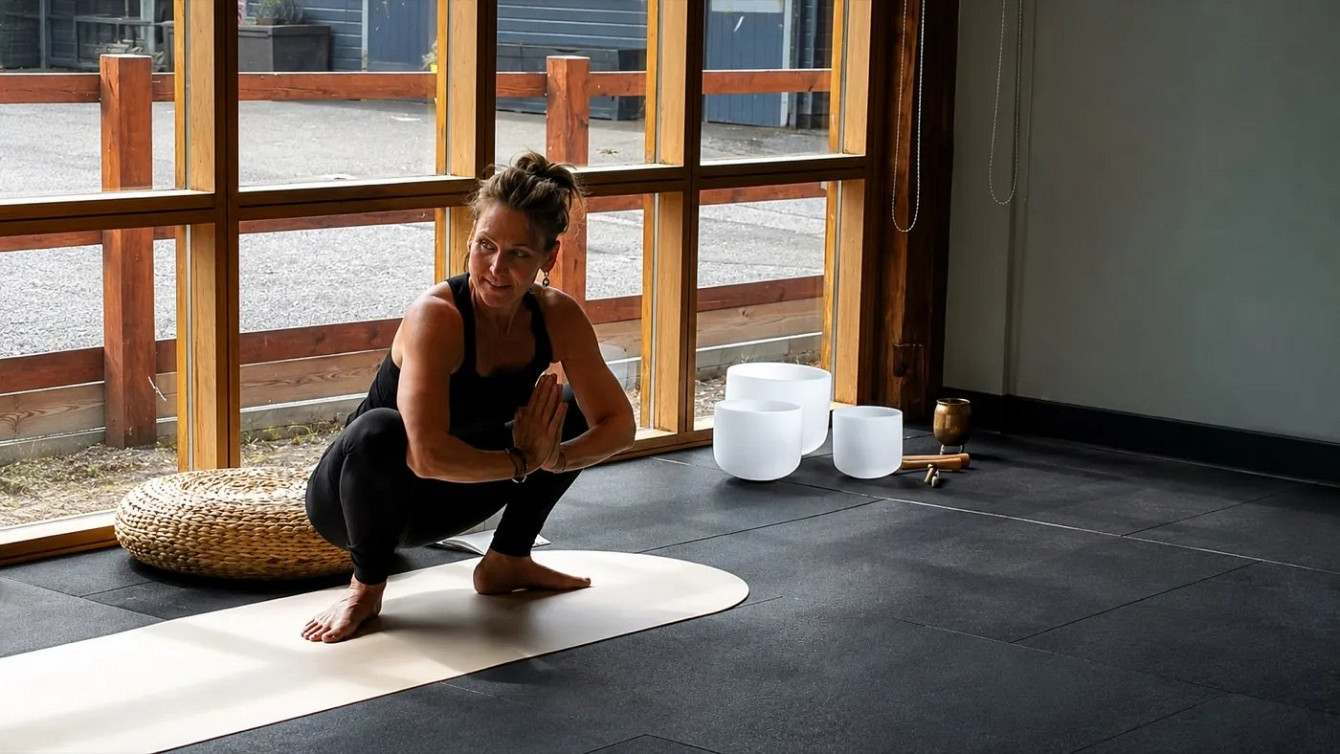
Going on your own is easier than it sounds. Most of it comes down to choosing the right first trip. Below: the worries almost everyone has and how to check each one before you book, then how to pick a first trip, what a day looks like, and what the small print means.
1. The worries everyone has
Almost nobody says them out loud. Tap any one for an honest answer and how to check before you book.
"What if everyone is much older than me? Or much younger?"
Groups are usually mixed, and on a creative trip age matters less than you'd think: you spend the day on the same clay or the same view. What matters is that people came for the same thing you did.
Check: look at photos of past groups on the organiser's Instagram, and ask who usually comes.
"What if there's someone difficult in the group?"
It can happen anywhere, but a small group with a teacher present all day is the easiest place for it: the programme gives everyone something to do, and the teacher holds the room. With 3 to 12 people, nobody can take over.
Check: the group size on the page. A room of your own gives you a door to close in the evening.
"What if I'm the only one on my own and everyone came in pairs?"
On small creative trips many people come alone. It's one of the easiest ways to travel by yourself, and organisers know it.
Check: ask "How many people usually come on their own?" The answer often surprises.
"What if I'm the worst in the group?"
Then you're in the right place: you'll learn the most. "Beginner friendly" and "all levels" mean the teaching starts from zero. If a trip is for people with experience, a good listing says so, like Sara Moorhouse's masterclass does.
Check: the level on the page. If unsure, tell the organiser honestly what you've done before.
"What if it's too much: classes from morning to night?" "Or the opposite, and I'm bored?"
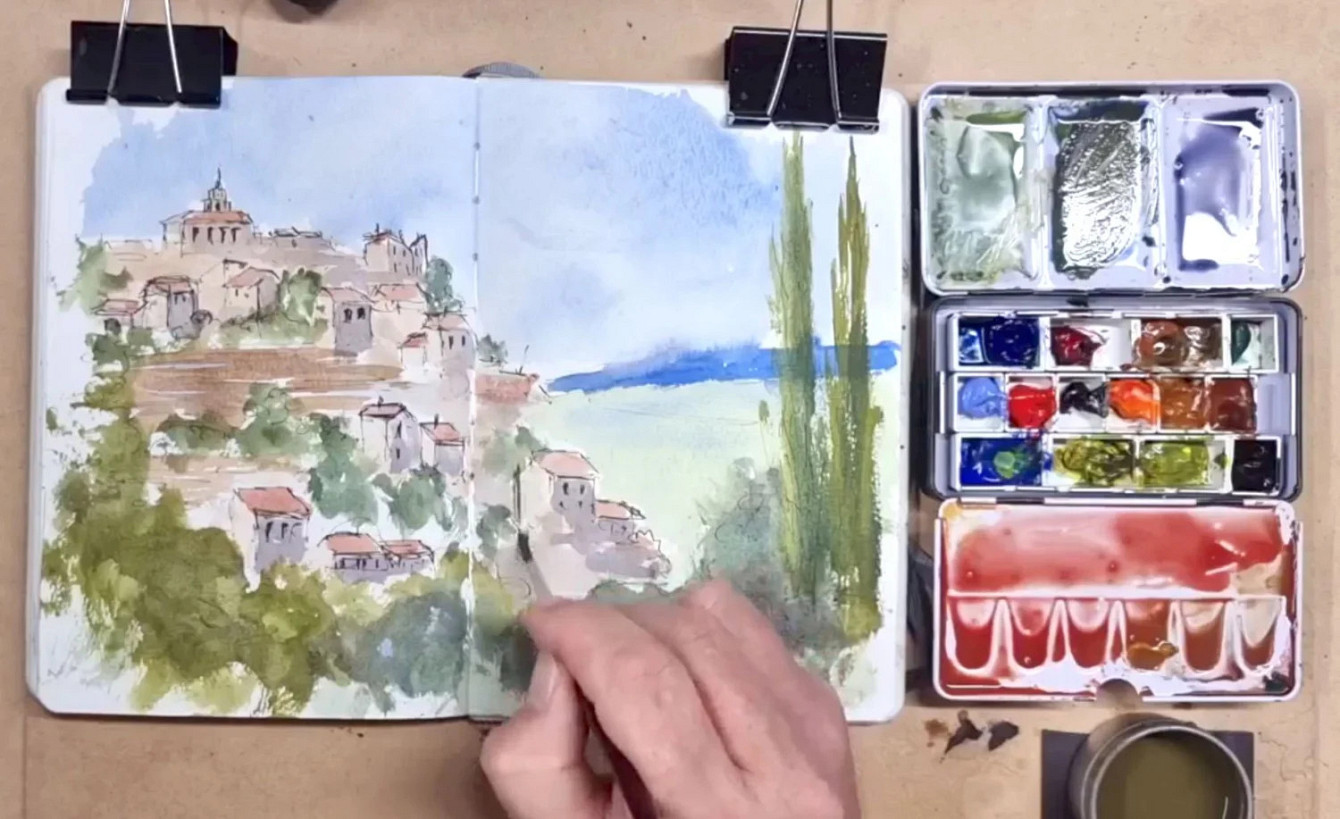
Count the hours. The Cornwall sketchbook retreat has 26 hours of teaching over 8 days, about three a day, with the rest for sketching on your own and travelling between places. The Reading yoga day runs from 11 to 4. A good programme shows this day by day.
Check: ask "How many hours of teaching a day, and what's free time?"
"What if the food is only vegetarian?" "Or I have an allergy?"
Yoga retreats are often vegetarian. Art holidays usually aren't, but it differs. Organisers cook for small groups and can usually adapt, if they know in advance.
Check: which meals are included, and write your diet in the request, not on arrival.
"Will there be coffee?"
A fair question, especially at a yoga retreat. Ask. It costs nothing, and a good organiser won't laugh. If in doubt, a few sachets of your favourite in your bag solve it.
"What if it's nothing like the photos?"
Real photos, a named teacher you can look up, a day-by-day programme and an organiser who answers questions before you pay are the best signs. Here you always talk to the organiser before anything is confirmed.
Check: the teacher's own website or Instagram, and how quickly and clearly they reply.
"What if I don't like it, or plans change?"
That's what the cancellation terms are for. Read them before you send money, not after (more in section 4 below).
"Is it safe to go alone?"
On an organised trip you're never really alone: someone knows where you are, where you sleep and when you arrive. A pickup from the station or airport takes away the most stressful hour.
Check: how you get there, and the organiser's phone number before you leave.
Hi! I'm thinking of coming on my own. A few questions:
1. How many people usually come alone, and who usually comes?
2. I'm a beginner / I have some experience. Will that be OK?
3. How many hours of teaching a day, and how much free time?
4. I eat ... Is that easy for you? And will there be coffee?
5. Can I have a room of my own, and what does it cost?
6. How do I get there from the station or airport?
7. What happens if the group doesn't fill?
2. Start with what you need right now
Not "where should I go", but "what do I want to feel when I get home".
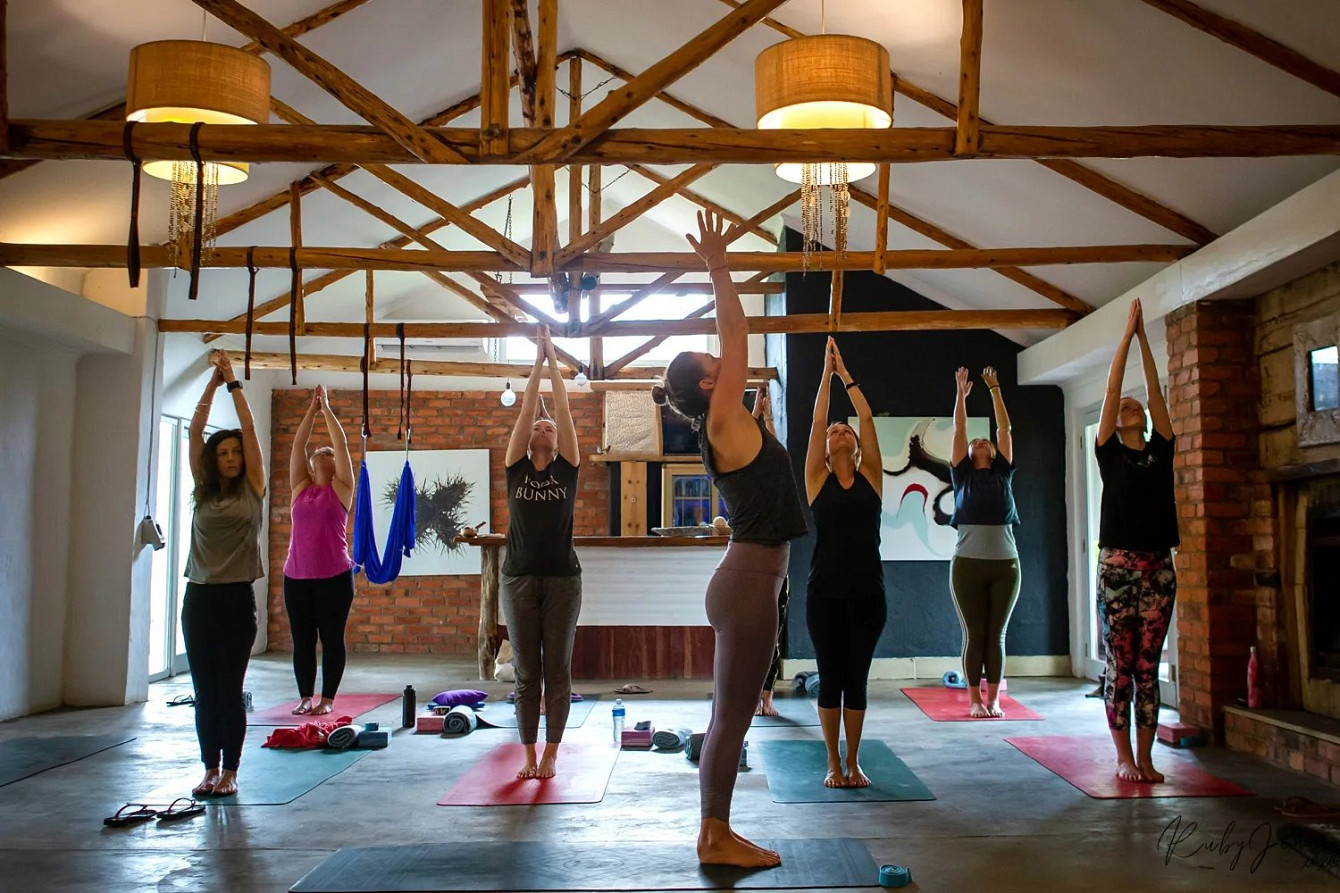


3. What a day really looks like
A good programme has a shape: you never wonder what to do with yourself, and there is still space to be on your own.
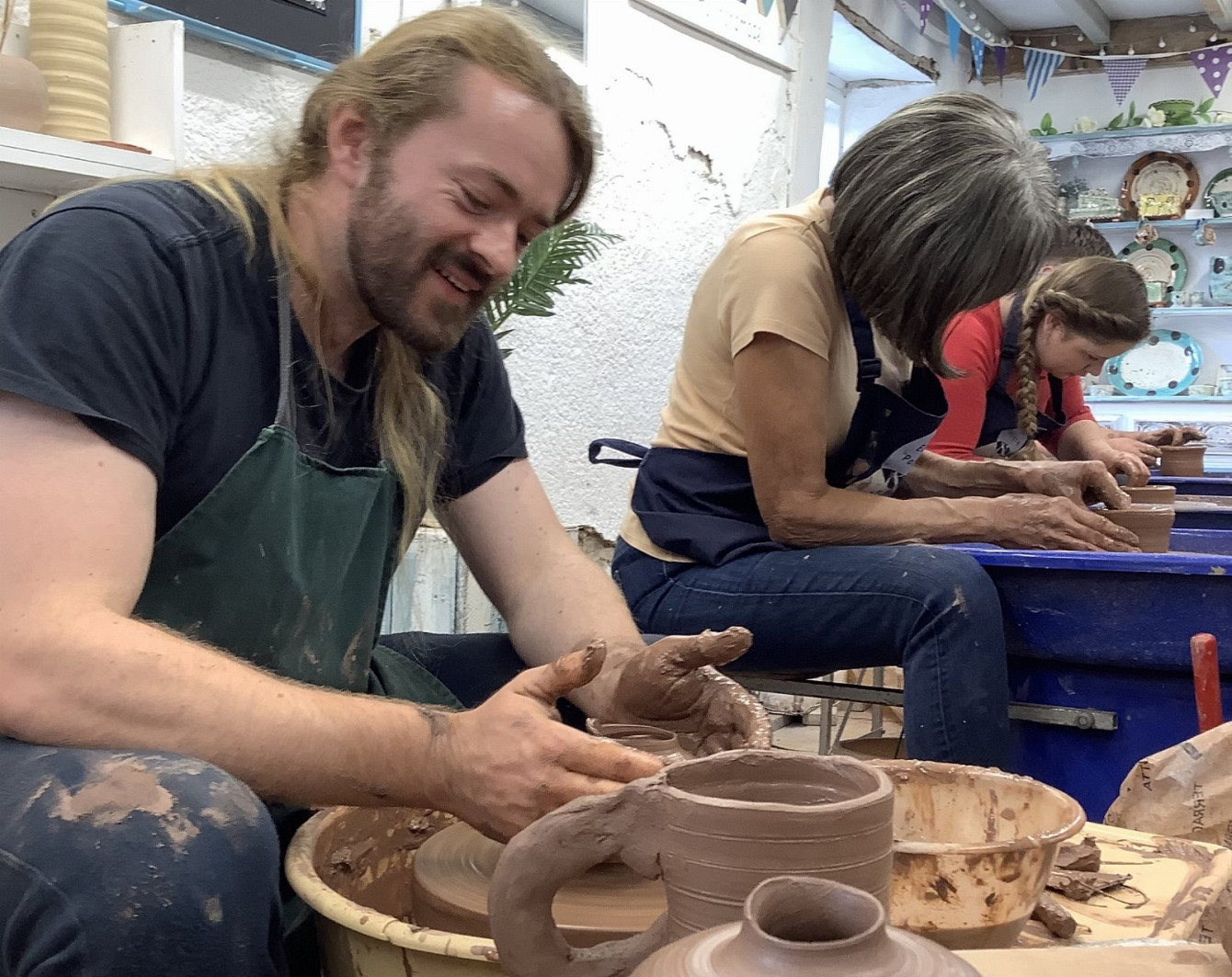
One day near Reading
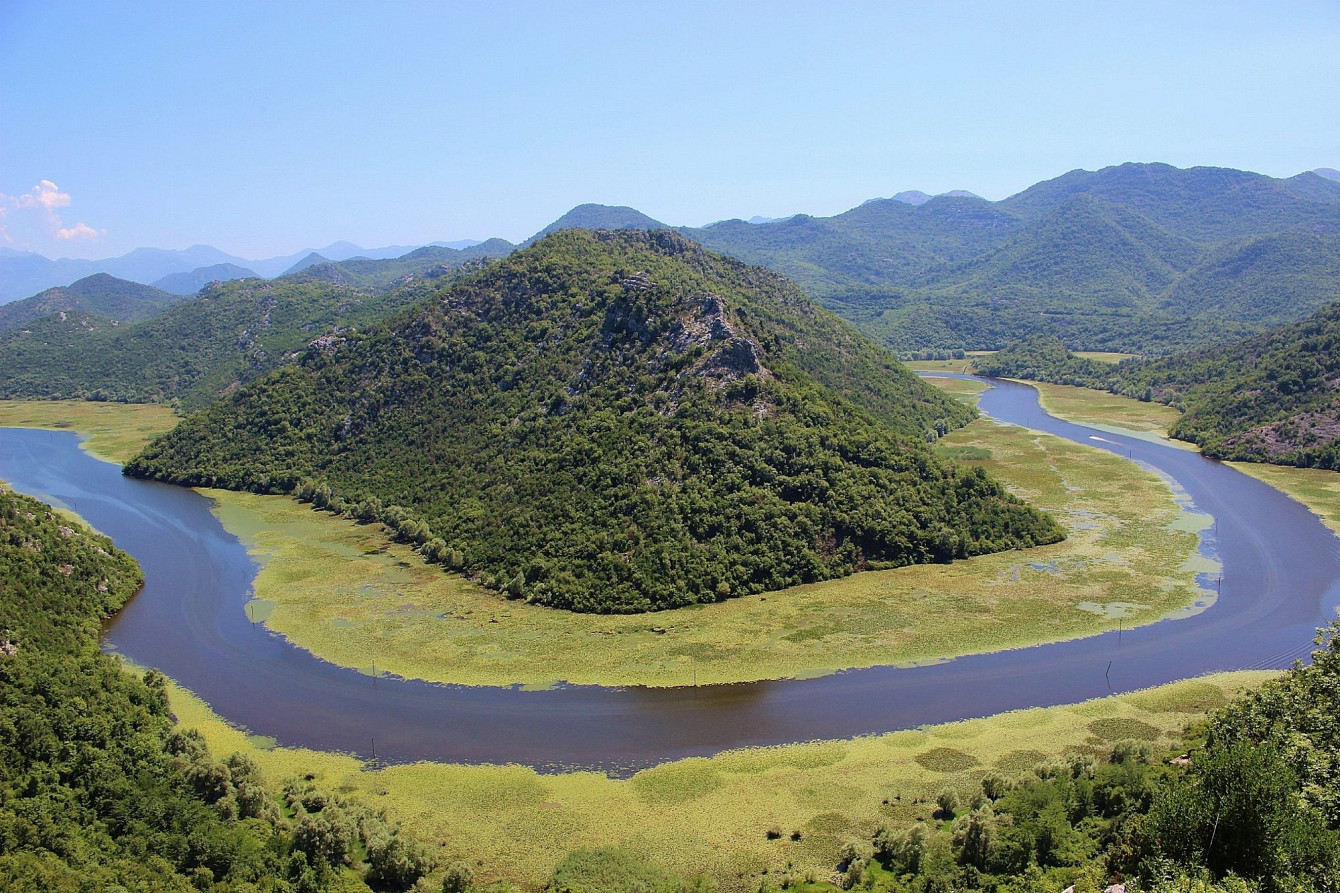
A day at Lake Skadar
4. Read the price and the small print
Price per person usually covers the teaching, materials and what the page lists as included. Check what is not in it: getting there, a room of your own (often a supplement), some meals, travel insurance.
Then look at how payment works. It tells you how much you risk if plans change:
- Deposit. How much, and can it be refunded or moved?
- Balance. When is the rest due?
- Cancellation. What happens if you cancel, and what if the organiser does?
5. What a good listing tells you
Good signs
- A named teacher whose own work you can see
- An exact group size
- A clear list of what's included
- A programme day by day
- The organiser answers your questions before you pay
Worth asking about
- No group size anywhere
- "Accommodation can be arranged" with no details
- Full payment long before the trip
- No cancellation terms on the page
- Level not stated, if you're a beginner
6. What to pack and how to prepare
Clay
- Short nails, no rings
- Clothes you don't mind ruining
- A hair tie
- A small towel
Yoga
- Layers: barns and studios cool down
- Warm socks for the sound bath
- A water bottle
- A notebook if journalling is on
Painting
- A hat and sun cream
- A light waterproof layer
- A small sketchbook for free time
- Ask what materials are provided
How booking works here
You send a request on the trip page. It costs nothing. The organiser confirms the date and places, and you pay the organiser directly, on the terms shown on the page. More in our FAQ.